


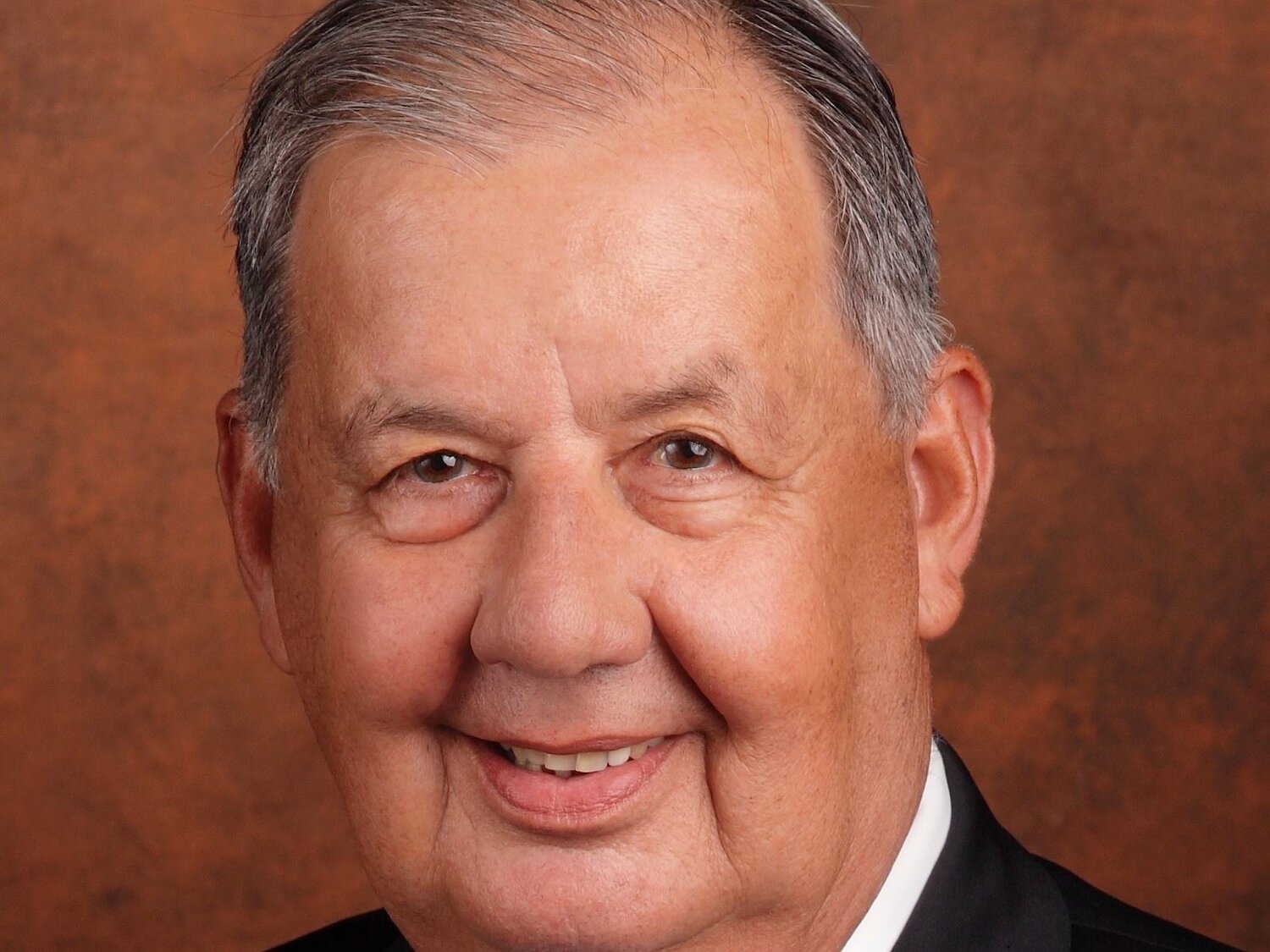
WESLACO, Texas — Pointing to stark regional data that shows nearly one in four Rio Grande Valley residents faces food insecurity, Hidalgo County Judge Richard F. Cortez is issuing a urgent call to action for local leaders, healthcare professionals, educators, and community advocates to confront the growing hunger crisis in South Texas.
Cortez and the Hidalgo County Commissioners Court, alongside South Texas College and advocacy group Bread for the World, will host a major regional forum titled “Hunger in the RGV: A Call to Action” on Thursday, Sept. 3, at the South Texas College Mid-Valley Campus in Weslaco.
The gathering comes as recent state and federal policy shifts impact programs like the Supplemental Nutrition Assistance Program (SNAP) and WIC, putting additional pressure on lower-income households across the Valley.
“When nearly one in four people in the Rio Grande Valley is experiencing food insecurity, we have a responsibility to pay attention and work together,” Cortez said ahead of the event. “This forum is about bringing the right people to the table, understanding the challenges our families are facing, and identifying solutions that can make a meaningful difference throughout our region.”
Data highlights a grim reality for South Texas compared to the rest of the state. Approximately 23.5% of residents in the Rio Grande Valley experience food insecurity, compared to 17.6% statewide. Furthermore, 25.5% of children in the region face food insecurity, and nearly 27.5% of RGV households rely on SNAP benefits to put food on the table.
Mario Reyna, coordinator of the Hidalgo County Prosperity Task Force established by Cortez, emphasized that food insecurity manifests daily in severe, practical ways for local families.
“It is a mother in a colonia skipping her own dinner so her children can eat. It is a grandparent choosing between filling a prescription and filling the refrigerator,” Reyna said, noting that transportation deficits in rural areas often compound the issue. “In parts of our region, hunger and transportation are the same problem wearing two names.”
Reyna added that while economic development and living-wage jobs remain the ultimate long-term solution to poverty, functioning and compassionate public safety nets are essential right now.
“Until we can develop an economy with a living wage that is the reality for every family in the Valley, this problem requires our state and federal programs to run as efficiently and compassionately as possible — because right now, they are often the only thing standing between a family and an empty table,” Reyna said.
Felipe Salinas, a representative with Bread for the World, noted that the forum aims to bridge the gap between policy discussions and community-level action.
“Thousands of families across the Rio Grande Valley struggle to put food on their tables each month,” Salinas said, inviting community members, non-profit organizations, and faith leaders to attend. “Learn how it impacts our community and the actions we can take now to address it.”
The forum will feature a prominent slate of regional speakers and policy experts, including:
The forum is open to the public, elected officials, business executives, healthcare providers, and community leaders. Advance registration is encouraged.


