


Everyone knows the phrase: Don’t mess with Texas! Not since “Come and Take It” has a short and sweet statement so perfectly encapsulated what it means to be Texan. What you may not know is that the Texas Department of Transportation (TxDOT) coined the phrase in 1985 to raise awareness about the scourge of littering. I think we can all agree littering is terrible, and no one likes a litterer.
And by the same token, no one likes a politician who uses a crisis to throw out unrealistic, bad ideas that the rest of us have to clean up later. TxDOT maintains more surface area of roadways and right-of-ways than there is total land in the entire state of Rhode Island. Our highway department is the envy of every state in the Nation. Recently, the idea of totally eliminating the fuel tax has been proposed as a platform in the political race for the United States Senate. As the Former Chairman of the Texas House on Transportation and the current Chair of the Permanent Subcommittee on Transportation Funding, I can tell you that TxDOT would not be able to fulfill its mission if the fuel taxes that sustain the Highway Trust Fund were permanently eliminated. As it stands, Texas is underfunding transportation infrastructure needs to the tune of billions of dollars annually. Eliminating the fuel tax would not only cause massive delays, but also the cancelation of future projects and would severely limit the state’s ability to maintain and preserve the 200,000 lane miles of highway it has to service day in and day out. Moreover, it would jeopardize the safety of all Texans.
There is no doubt that high prices at the pump are a real financial burden on hardworking Texans. These are extraordinary times brought on by extraordinarily bad decision-making coming from Washington. However, that is not a reason to implement bad public policy for political purposes, which will have devastating long-term consequences for Texas infrastructure. That is exactly what US Senate hopeful Ken Paxton is proposing in his platform to permanently eliminate the fuel tax. It is my opinion that a temporary rather than permanent suspension of a fuel tax might be a thoughtful way to put a few of the precious hard-earned dollars back in the pockets of Texans. That is the idea that has been put forward by politicians ranging from Republican Senator John Cornyn to State Representative James Talarico. These are clearly two officials who understand we can address today's problems without causing irreparable damage for the foreseeable future. Politicians who are calling to eliminate the fuel tax permanently lack a clear understanding of Texas transportation infrastructure funding. The reality is that this type of virtue signaling and one-upmanship designed to garner headlines is not only irresponsible, it is ignorant at best. The idea can only be likened to creating a giant pothole.
The political gridlock in Washington, lack of statesmanship, and unwillingness to work across party lines have left us with a Congress that can only be described as dysfunctional. If we permanently eliminate the fuel tax, how could anyone believe the federal government will come to the rescue of Texas by putting tens of billions of dollars into a highway fund, when government shutdowns have almost become religious? We can’t keep littering the political roadway with trash policy and expect our children to clean it all up later. Texans should take stock of which politicians and elected officials are working hard for Texans, and which ones are trying to sell them oceanfront property in Arizona.
No one likes trash on our highways, and no one likes trash public policy. This November gives voting Texans an opportunity to take out the garbage. Texas needs leaders who, at the very least, know what they are talking about when it comes to critical infrastructure. This November voters should send a message, “Don’t mess with Texas.”
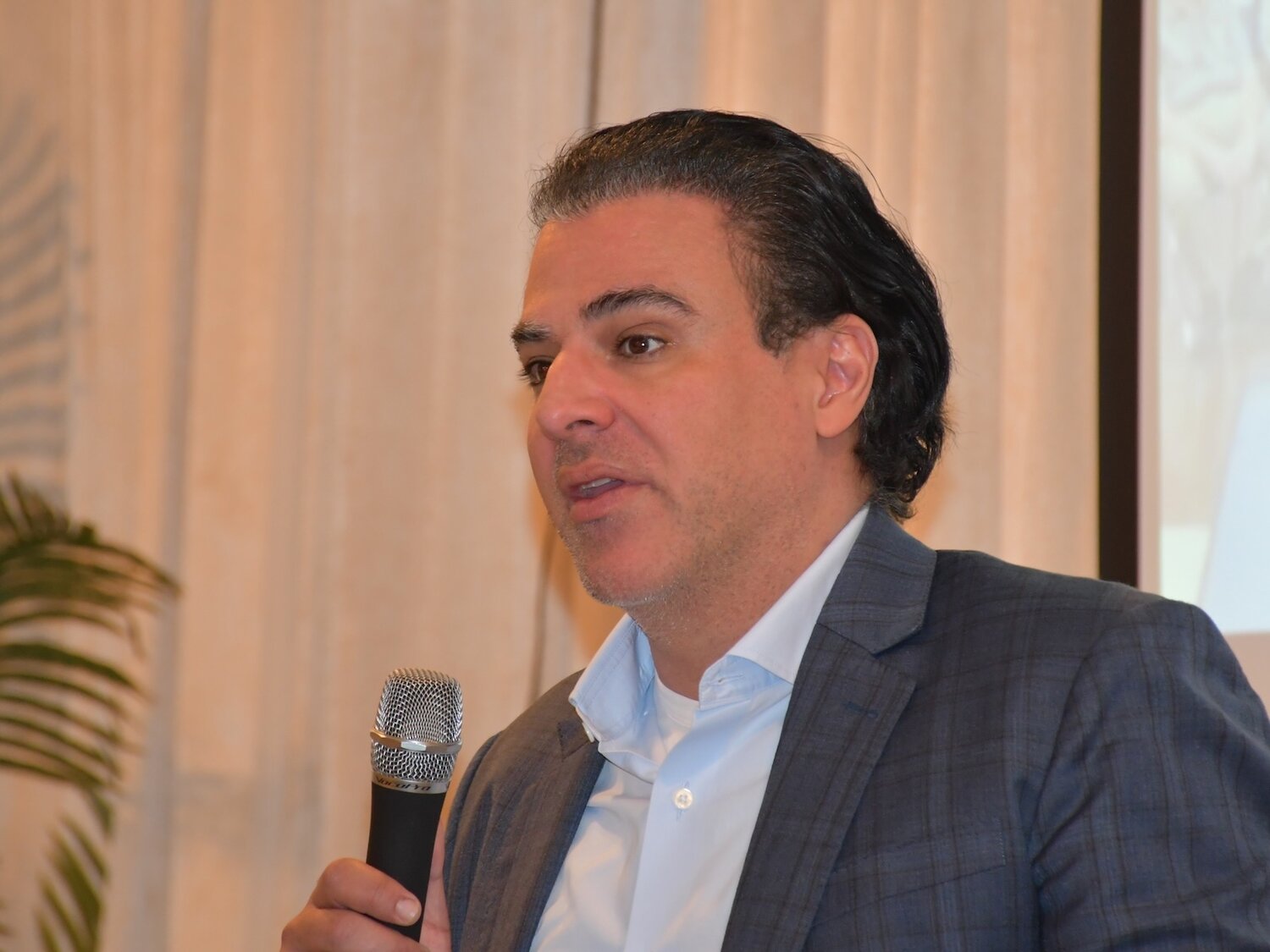
Editor’s Note: The above commentary was penned by state Rep. Terry Canales of Edinburg. The commentary appears in the RGG Business Journal with the permission of the author.


